


How To Easily Customize The Appearance, Paint, And Modify Virtual Cars

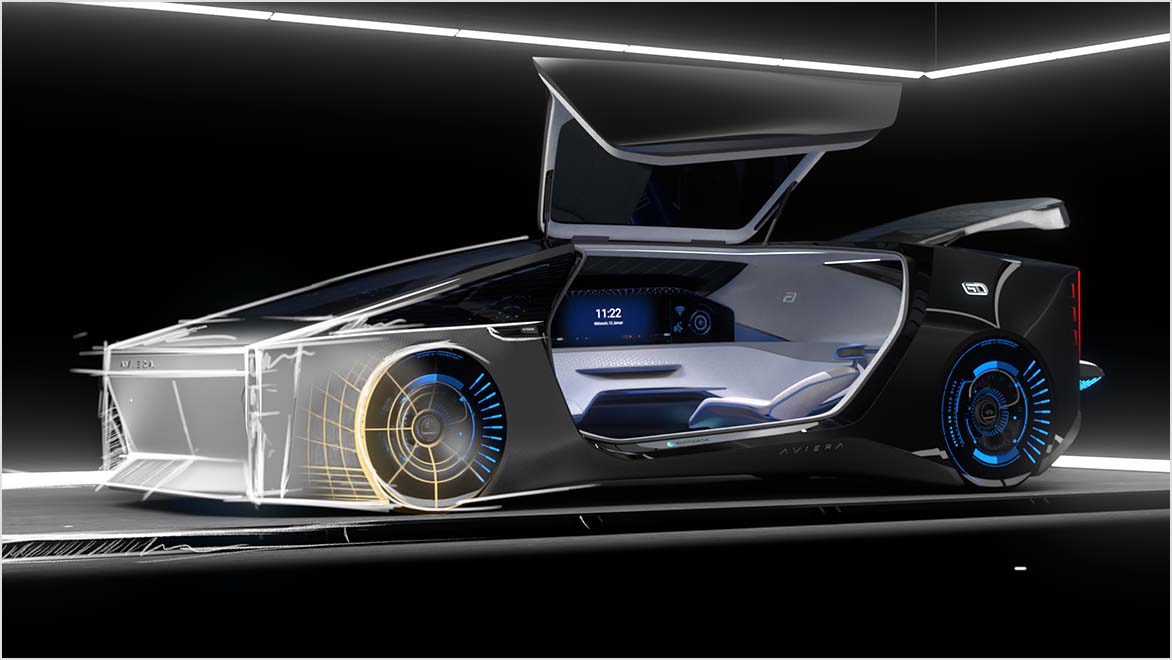
Ready to turn your dream virtual car designs into playable, eye-catching rides? In this guide, you’ll discover simple, actionable steps to customize paint jobs, tweak appearances, and modify virtual cars even if you have no prior design experience. You’ll walk away with a fully personalized car you can show off to gaming communities.
How will learning these skills upgrade your gaming and creative experience? Customizing virtual cars lets you stand out in racing games, express your unique style, and even build a portfolio of creative work. But it’s important to follow a structured process to avoid common frustrations and get great results fast.
Why Customizing Virtual Car Appearance, Paint, and Modifications Is Worth Your Time
- Low entry barrier for all skill levels: You don’t need professional design training to get started. Most popular car customization tools have intuitive drag-and-drop interfaces that work for complete beginners.
- Unlimited creative expression opportunities: You can test out wild color schemes, custom decals, body kits, and performance modifications that would be too expensive or impractical for real cars. No design idea is too out of the box to try.
- Shareable content and community recognition: Your custom car designs can be shared across gaming communities, social media, or in-game marketplaces. You may get positive feedback, connect with other creators, and grow a small following for your work.
- Build transferable creative skills: The design principles you learn here, like color theory, layout, and asset editing, can apply to other digital design projects. You can carry these skills over to graphic design, game modding, or other creative hobbies.
- Potential for in-game reward opportunities: Many racing game platforms let you submit custom designs for community use. You may earn in-game credits, exclusive items, or access to special creator programs for popular designs.
Step-by-Step Guide to Customizing Virtual Car Appearance, Paint, and Modifications
Step 1: Plan your design and pick your platform
First, decide what kind of look you want for your car, from bold race liveries to subtle luxury finishes, and pick a compatible platform like Forza Horizon, GTA Online, or a standalone modding tool. Think about how you want to use the car, whether for casual play, community shows, or design contests, to guide your choices. If you’re new, start with a platform that has built-in customization tools to avoid extra software setup.
Pro tip: Save reference photos of real cars or other custom designs to use as inspiration for your project.
Step 2: Choose your base car and prepare your workspace
Pick a base car model that fits your design vision—sports cars work well for bold race designs, while classic cars suit retro or custom hot rod looks. Clear out any pre-applied decals or default paint jobs from the car to get a blank canvas. Double check that the platform supports the modification types you want to add, like wide body kits or custom spoilers.
Common mistake to avoid: Don’t pick a car with lots of complex body lines if this is your first design, as they make applying decals evenly much harder.
Step 3: Design and apply your custom paint job
Start with the base coat color, adjusting gloss, matte, or metallic finishes to match your desired look, then add secondary accent colors to mirrors, trim, or other small details. Test how the paint looks in different lighting settings, like daytime, night, or indoor garage light, to make sure it stays consistent across environments. Save your paint preset before moving on to decals so you can revert to it if you make mistakes later.
Pro tip: Use complementary colors for accents to make your design feel cohesive without being overwhelming.
Step 4: Add decals, wraps, and visual customizations
Upload custom decals or use the platform’s built-in asset library to add logos, stripes, patterns, or personal touches to your car. Align decals carefully along the car’s body lines to avoid warping or uneven placement, and adjust their opacity and size to fit the space. You can layer multiple decals to create more complex designs like custom liveries or character art.
Common mistake to avoid: Don’t overcrowd the car with too many decals, as this can make the design look cluttered and hard to read from a distance.
Step 5: Install functional and aesthetic modifications
Add body modifications like wide body kits, spoilers, custom wheels, window tints, or neon underglows to match your design theme. If your platform supports performance modifications, you can adjust suspension height, tire width, or exhaust systems to match the look you’re going for. Make sure each modification complements your paint and decal design instead of clashing with it.
Pro tip: Lower the suspension slightly on most cars to give them a sleeker, more custom look without extra design work.
Step 6: Test and refine your design
Preview your car from all angles, including front, side, rear, and top views, to spot any uneven decals, color mismatches, or awkward modification placements. Test drive the car in-game if possible to see how the design looks while moving and in different lighting conditions. Make small tweaks to colors, decal placement, or modifications until you’re happy with the final result.
Step 7: Save and share your custom car
Export or save your final car design to your in-game garage or local device, depending on your platform. You can share screenshots or short clips of your custom car to gaming communities, social media, or in-game design galleries to show off your work. If your platform supports it, you can also make the design available for other players to download and use.
Challenges to Be Aware Of
- Steeper learning curve for advanced designs: Complex custom decals, 3D asset edits, or cross-platform modding can take extra time to master. Start with simple paint jobs and pre-made decals first, then work up to more complex projects as you build skills.
- Platform-specific tool limitations: Not all platforms support the same customization features, so some advanced modifications may not work in certain games. Check what features your chosen platform offers before you start planning a design to avoid wasted effort.
- Design burnout from over-editing: It’s easy to spend hours tweaking small details and never feel like your design is finished. Set a loose time limit for each project, and step away for 15 to 20 minutes if you feel stuck to get a fresh perspective.
Conclusion
You now have the foundation to start customizing virtual car appearances, paint jobs, and modifications on your own. Even small, simple designs can be satisfying to create and share, so don’t worry about making perfect work on your first try.
Customizing virtual cars offers endless creative fun, community connection, and the chance to build useful design skills. By practicing these steps regularly, you’re positioning yourself to create impressive, unique designs that stand out in any gaming space.
Don’t wait for the perfect moment. Start planning your first custom car design today. The process is just as fun as the final result, and you’ll be surprised at what you can create on your first try.
FAQ
How long does it take to customize a basic virtual car?
A simple custom paint job with a few decals can take 30 to 60 minutes for a complete beginner. More complex designs with custom decals and multiple modifications may take 2 to 4 hours as you build experience. Start with a short, simple project first to get comfortable with the tools before tackling more detailed work.
Do I need expensive design software to customize virtual cars?
Most popular racing games have built-in customization tools that work for 90% of design needs, so you don’t need extra software. If you want to make custom decals, free tools like Canva or GIMP work perfectly for creating basic designs. You only need paid professional software if you plan to make advanced 3D modifications for modded platforms.
What's the best way to make my custom car design stand out?
Focus on a clear, consistent theme for your design, like a retro race livery or a neon cyberpunk look, instead of mixing random styles. Add small personal touches like a custom nickname decal or a unique accent color that makes the design feel uniquely yours. Look at other popular custom designs for inspiration, but add your own twist to avoid copying other creators directly.
Can I earn in-game rewards for my custom car designs?
Many popular racing games run community design contests where you can submit your custom cars for a chance to win in-game credits, exclusive items, or special creator badges. Some platforms also let you sell or share your designs for in-game currency that other players can use. Always check your platform’s creator guidelines to understand what reward options are available for your work.


RECOMMEND ARTICLES
Most Read
How To Earn Extra Income By Packaging And Labeling Various E-commerce Products At Home

How To Repair A Small Hole In Drywall: A Step-by-Step Beginner’s Guide

Who Is Jealous Of You?
How To Set Up And Optimize 99 Nights In The Forest Auto Farm
How To Uncover New Monsters & Hidden Secrets In Chapter 5

How To Access Housing Assistance Programs Many Seniors Don’t Know About
Subscribe For New Quizzes


Copyright © 2019-2026 | All rights reserved.

